

FREE SOLAR SCAM
The latest homeowner fraud
“Major savings and no upfront costs“
For any scam to be effective, the come on must be too good to be true. And this latest homeowner fraud scam which promises FREE solar panels is just that. Too good to be true! As with all impostor scams, callers impersonate a fake government agency or utility commission and try and convince you to take advantage of a “good opportunity” and demand money.
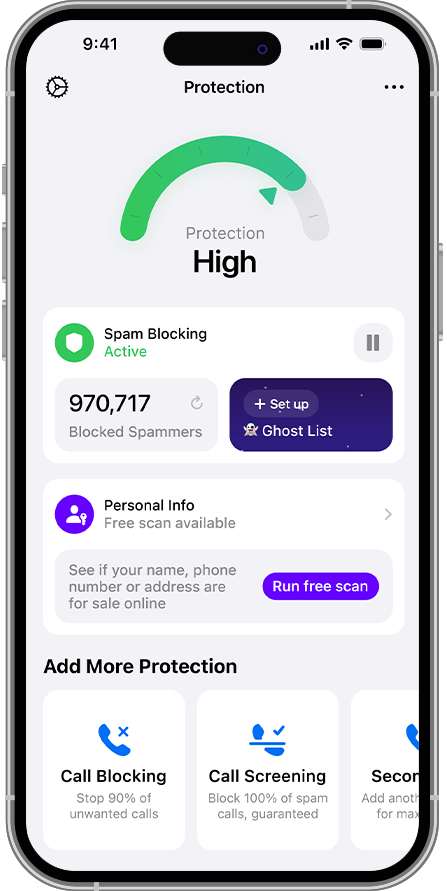
Get protection from free solar scams
YouMail – the totally free service that stops over 1 million bad guys from ringing your phone!
What you should know
Consumers receive a call from their state’s “Public Utilities Commission” with a solar energy sales pitch. Consumers are told there is a deadline with the government, and they must act right away to receive special pricing on solar energy panels. The scammers will ask for a “deposit or service fee” or to “validate” your personal and financial information with the hopes of identity theft and fraud.
How YouMail can help stop free solar scams today
YouMail is the leading solution for getting rid of robocalls and we are proud that our customers are protected from scammers, spammers, and other unwanted callers. Best of all, it’s a 100% free service available for everyone!
Typical free solar scam voicemail left with YouMail customers
TRANSCRIPTION: You have been selected to receive a call about the recent survey you filled out to let you know that you have been chosen to receive a new state-of-the-art solar panel with no out of pocket expense and save up to 70% on your electric bill. Press "1" to speak to a specialist to redeem your promotion. Once again press "1" to get transferred now or press "2" to be placed on our do not call list.
What you should do
Public Service Commissions and Utility companies do not make telemarketing calls to the public, and they certainly don’t authorize anyone to do so on their behalf. Anyone who claims otherwise is simply lying. Avoid being a victim and remember to never share personal or financial information. Never wire money or send a pre-paid debit card. Don’t pay for a “prize” that requires insurance, taxes or shipping charges to collect, it’s not a prize; it’s a scam. Don’t trust provided names or numbers. Scammers will use official-sounding names and even “spoof” (i.e. fraudulently list on caller I.D.) legitimate telephone numbers to sell their claims.
Our best advice
A healthy dose of skepticism (and letting calls go to voicemail) will go a long way in avoiding any scam. If you do get such a call, hang up and report the scam to the Federal Trade Commission. If you get a call from a government imposter, file a complaint at ftc.gov/complaint. Need to get the specifics on the number? Check out YouMail’s online phone directory to see if that number has negative reports or is from a known scammer.